(Vet-Approved + Travel Cat Tested)
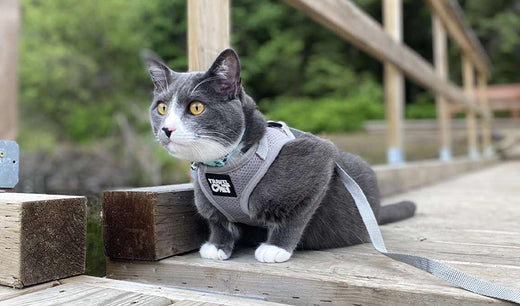
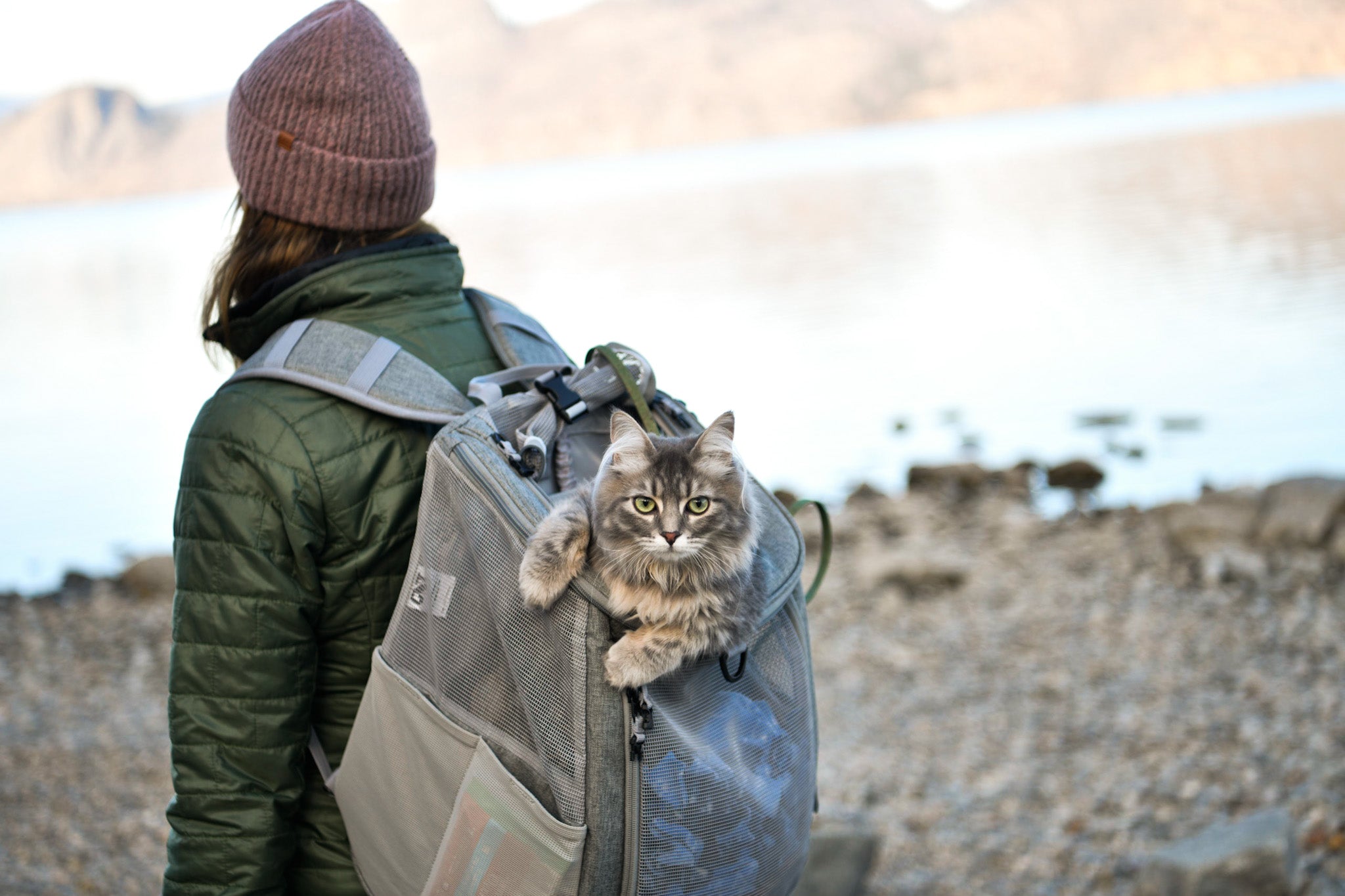
Yes — you can train your cat to wear a harness and enjoy supervised outdoor time or backpack adventures. With the right approach, patience, and positive reinforcement, harness training becomes a rewarding experience for both you and your feline friend.
At Travel Cat, we’ve helped hundreds of cats go from “zero harness tolerance” to confident outdoor explorers — and this guide is based on what actually works in real homes and backyards.
Why Harness Training Matters
Harness training is more than just walks around the yard — it:
-
Keeps your cat safe outdoors while giving them enrichment and exercise.
-
Prepares your cat for travel (like backpack adventures and vet trips).
-
Builds confidence in shy or indoor-only cats when introduced gradually.
Unlike collars, a proper harness protects your cat’s neck and prevents escape during outdoor sessions.
What You’ll Need
Before training begins:
-
🧷 A well-fitting cat harness (vest or H-style) — lightweight and adjustable.
-
🐱 A short leash (4–6 ft)
-
🍖 Favorite treats or small rewards
-
🛋️ A calm indoor space for initial steps
Step-by-Step Harness Training (Pro Method)
Step 1 — Introduce the Harness Slowly
-
Leave the harness near your cat’s bed or feeding station for 1–3 days.
-
Let them sniff and touch it while rewarding calm behavior.
Why this works: Cats are sensory creatures — familiarizing them with the sight and smell lowers stress before you ever try to put it on.
Step 2 — Form Positive Associations
-
Reward your cat just for approaching the harness.
-
Place treats on and around it to build good memories.
Travel Cat Tip: If your cat ignores the harness at first, sprinkle a hint of catnip or a tiny smear of wet food nearby to spark interest.
Step 3 — Gently Put the Harness On
-
Only place the harness unbuckled on your cat first.
-
Do this right before a meal or play session so the experience feels positive.
🔹 Important: Never force the harness — that creates negative associations.
Step 4 — Reward & Increase Wear Time
-
Fasten the harness snugly but not tight (one-to-two fingers should fit between harness and body).
-
Let your cat walk around indoors while you offer treats or play.
Cats will often slump or wiggle at first — that’s normal! Patience here sets the stage for success.
Step 5 — Add the Leash Indoors
-
Attach the leash once your cat is comfortable just wearing the harness.
-
Leave the leash trailing behind at first, then hold it loosely as they explore.
This prevents tension and helps your cat get used to the feel of the leash.
Step 6 — Controlled Outdoor Introduction
Once your cat walks calmly indoors with harness + leash:
-
Carry them outdoors first (don’t let them dash out the door).
-
Place them down in a quiet, safe area.
-
Let them sniff, watch, and explore at their own pace.
Start with very short outings (2-5 minutes) and build up gradually.
Choosing the Right Harness (Vet-Recommended)
According to vets, the best options for most cats are:
-
Vest harnesses: Great for cats new to training — secure and comfortable.
-
H-style harnesses: Lightweight and easier for some cats to tolerate.
Avoid harnesses that are too stiff or restrictive — these can create resistance or fear.
Common Challenges & Fixes
My cat won’t wear the harness at all
➡️ Go back to Step 1 and leave the harness out longer. Build association first, pressure later.
My cat freezes outside
➡️ Keep sessions short and quiet. A backyard or shaded patio is a good first spot.
Cat pulls or tries to escape
➡️ Increase positive rewards indoors before attempting outdoor walks again.
FAQ — Harness Training Your Cat
How long does harness training take?
Training time varies by cat, but short, consistent daily sessions over several days to a few weeks are most effective. Long sessions can make cats anxious.
Can older cats learn this?
Yes! Older cats can absolutely learn with patience — just take things slower and adjust to their comfort level.
Is a harness safe for every cat?
Most cats can be trained safely, but extremely fearful or high-anxiety cats may prefer indoor enrichment or backpack training first.
Next Step: Harness to Backpack
Once your cat is comfortable walking with a harness, backpack training becomes much easier. Many Travel Cat customers find combining harness training with backpack exposure leads to confident outdoor explorers.